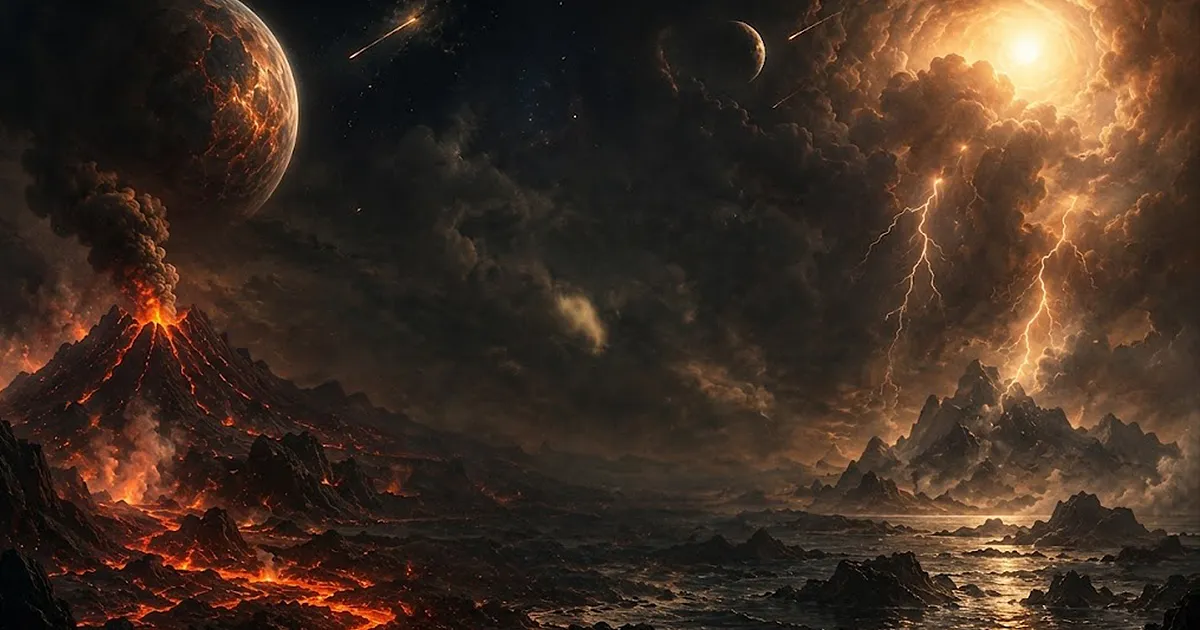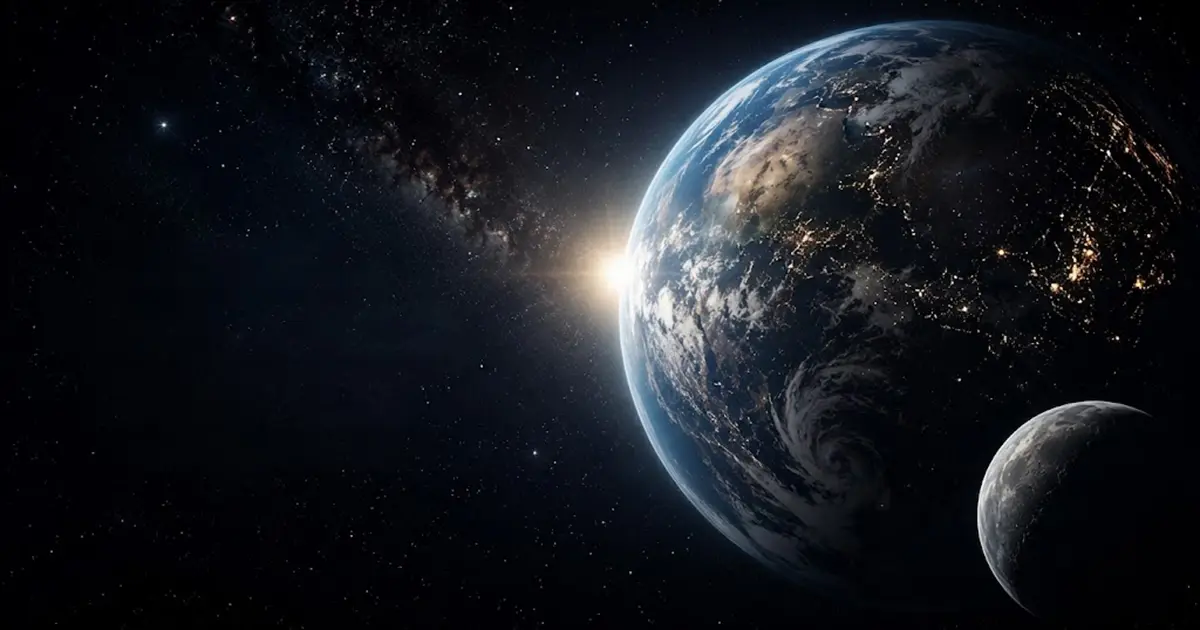
Before the first kingdom rose from the sands of history… before humans discovered fire… before even Earth itself existed… the universe was already ancient beyond imagination. For most of human history, people believed the world was small.
Ancient civilizations imagined Earth as the center of existence, surrounded by mysterious heavens filled with gods, spirits, and eternal stars. Some believed the universe itself was only a few thousand years old. But modern science tells a far stranger story.
Today, scientists estimate that the universe is around 13.8 billion years old. Earth formed much later, around 4.5 billion years ago, from clouds of cosmic dust drifting through space after violent cosmic collisions.
Everything we know — oceans, mountains, forests, civilizations, and even ourselves — began from those ancient cosmic events.
“Somewhere, something incredible is waiting to be known.”
— Carl Sagan
And yet, in the scale of the universe, Earth is almost nothing.
A Tiny World in Endless Darkness
Our planet feels enormous to us. Entire civilizations have fought wars over small pieces of land, believing their kingdoms were the center of the world.
But Earth is only a tiny sphere floating through an enormous cosmic emptiness.
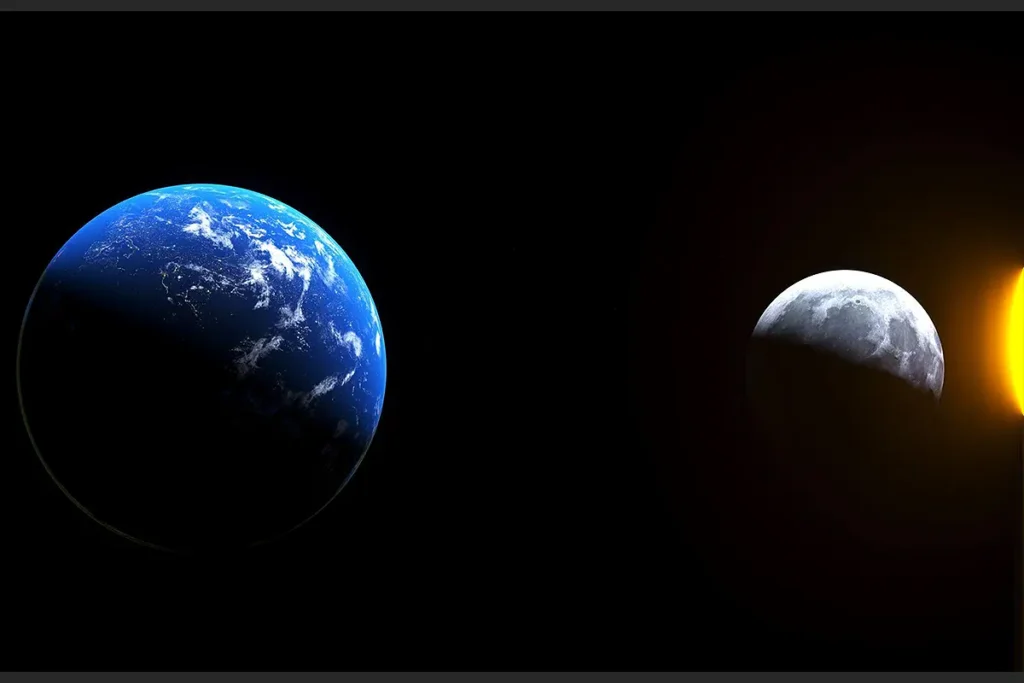
Earth travels around the Sun at incredible speed while spinning endlessly through space, creating the cycle of day and night. Around us circles the Moon — silent, distant, and strangely beautiful in the darkness.
Beyond Earth lie the other planets of our Solar System:
- Mercury
- Venus
- Mars
- Jupiter
- Saturn
- Uranus
- Neptune
Some are burning worlds of extreme heat. Others are frozen giants surrounded by icy storms and endless darkness.
And between them?
Mostly emptiness.
That may be one of the most terrifying truths about the universe. Space is not crowded like the movies often show. It is vast, silent, and almost completely empty.
If Earth were reduced to the size of a marble, the nearest star would still be unimaginably far away.
Human beings live on a tiny island surrounded by an endless cosmic ocean.
“Two possibilities exist: either we are alone in the Universe or we are not. Both are equally terrifying.”
— Arthur C. Clarke
The Strange Spiral Clouds
When early astronomers looked into the night sky through primitive telescopes, they noticed strange glowing shapes drifting in the darkness.
Some looked like spirals.
Others looked like clouds of light.
For a long time, nobody fully understood what they were seeing.
Today, we know many of those mysterious “clouds” were actually galaxies — enormous collections of billions of stars spread across unimaginable distances.
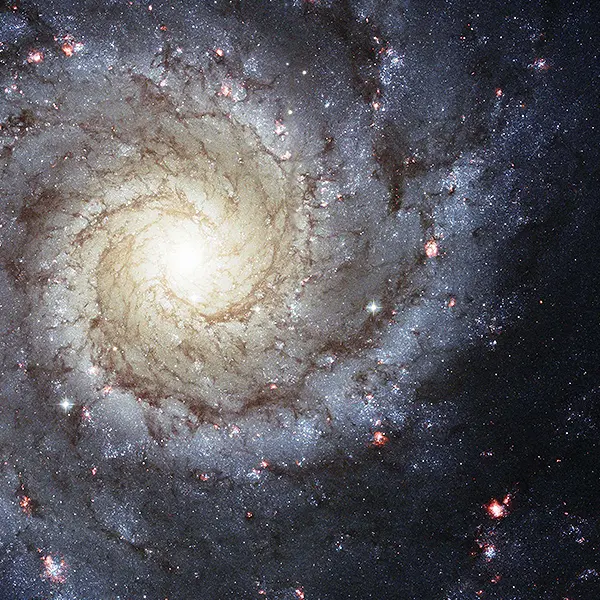
One galaxy alone can contain more stars than humans can count in an entire lifetime. And beyond those galaxies? More galaxies. Possibly trillions of them. The deeper humanity looks into space, the larger and stranger the universe becomes.
“The universe is under no obligation to make sense to you.”
— Neil deGrasse Tyson
The Thin Layer of Life
As far as modern science currently knows, life exists only on Earth.
That realization is both beautiful and unsettling.
Human life survives in only a very thin layer surrounding the planet.
Deep beneath the oceans, pressure becomes deadly.
High above the atmosphere, oxygen disappears.
Beyond our atmosphere lies the freezing vacuum of space.
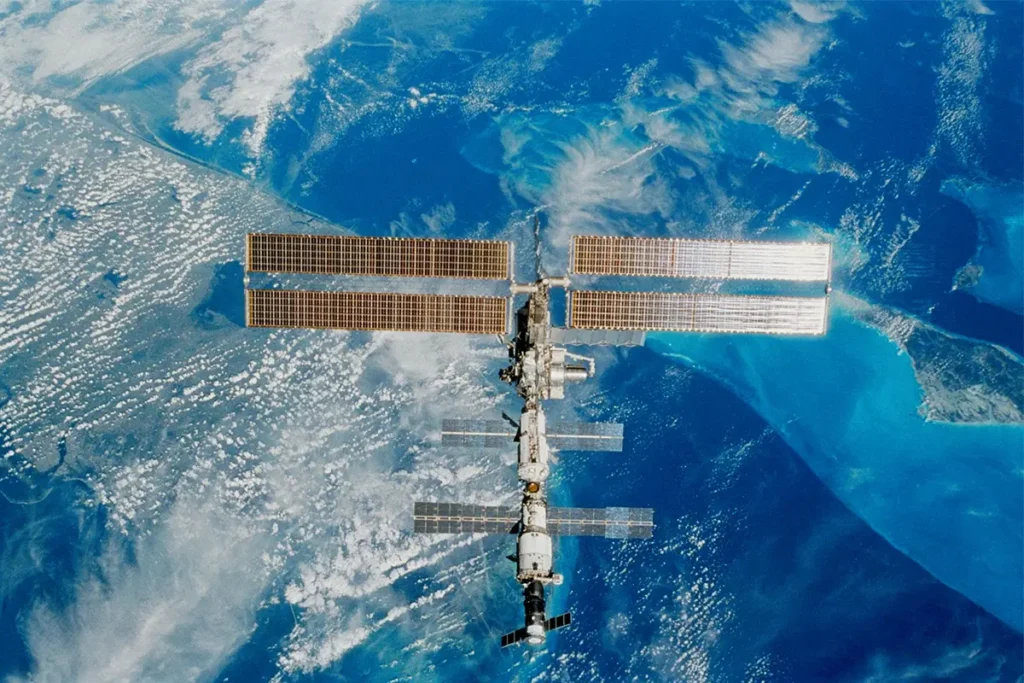
Even today, astronauts aboard the International Space Station survive only through advanced technology protecting them from radiation, lack of air, and extreme temperatures.
Everything humanity has ever achieved —
every empire,
every religion,
every war,
every dream —
has happened on this small world suspended in darkness.
Sometimes it is hard not to wonder how lonely the universe truly is.
“Remember to look up at the stars and not down at your feet.”
— Stephen Hawking
Modern Discoveries Changed Everything
Over the last century, astronomy has transformed humanity’s understanding of existence.
Scientists discovered:
- the universe is expanding,
- black holes exist,
- galaxies collide,
- thousands of distant planets orbit other stars,
- and water may exist beneath frozen moons far from Earth.
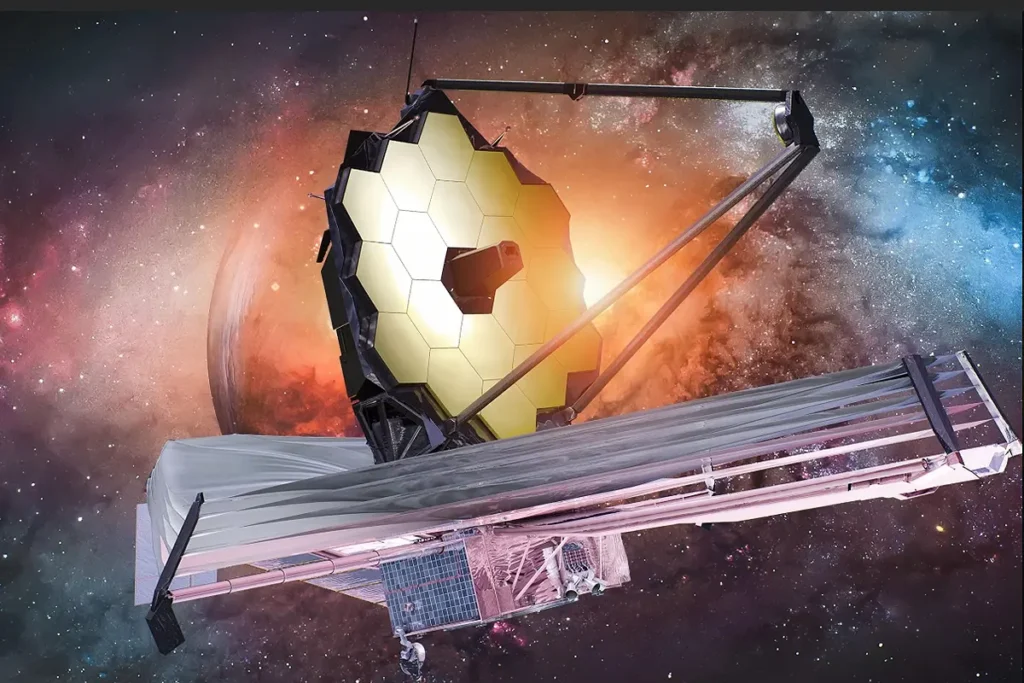
The powerful James Webb Space Telescope now allows humanity to observe ancient galaxies formed shortly after the birth of the universe itself.
Some scientists believe microbial life may exist somewhere beyond Earth.
Others search for intelligent alien civilizations through mysterious radio signals arriving from deep space.
But despite all our discoveries, one question still remains unanswered:
Are we truly alone?
Final Thoughts
The story of humanity does not begin with kings, armies, or civilizations.
It begins in the stars.
Long before humans existed, ancient stars exploded across the universe, creating the elements that would eventually become oceans, mountains, forests, and human life itself.
The calcium in our bones…
the iron in our blood…
the oxygen we breathe…
all were forged inside stars billions of years ago.
“We are made of star stuff.”
— Carl Sagan
We are not separate from the universe.
We are part of it.